each year when my friends and I get together, we try to do quirky things in the city we visit, in addition to more traditionally touristy stuff. I’m not sure where on the spectrum visiting the Congress Avenue bat colony falls … quirky for sure, but also very popular! the colony consists of between 750,000 and a million and a half Mexican free-tailed bats; they summer in Austin and migrate to Mexico for the winter. 
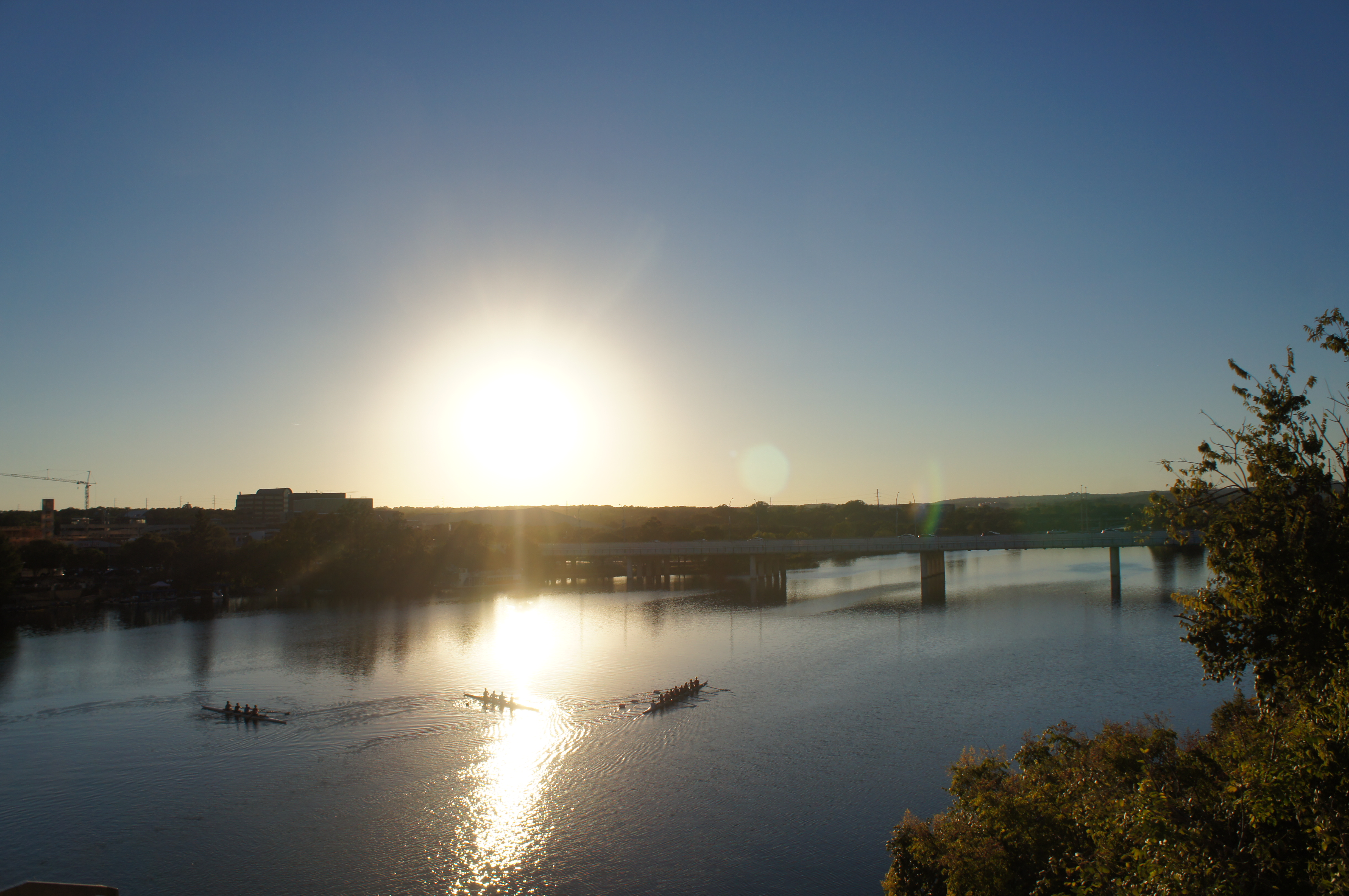
for all appearances, the bridge doesn’t seem terribly special; three lanes in each direction over Lady Bird Lake in a spot that has hosted a bridge since the early 1870s (a pontoon toll bridge). the City of Austin assumed complete responsibility over the (newer, iron) bridge in the late 1880s, which they were forced to repair several times over the subsequent two decades. by 1908, increase in traffic demanded the construction of a newer, wider bridge and a proposal for the current concrete span bridge were drawn up. at 910 feet it includes six spans which rise to 45 feet above ground; it opened on April 4, 1910.
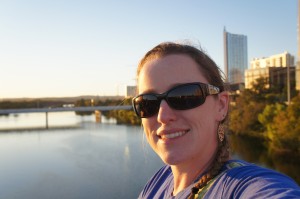
the bats came to live under the bridge following refurbishment that occurred in 1980. there are fifteen crevices beneath the roadbed, each about 17 inches deep, which appealed to the bats and offered about 14,000 feet of potential habitat. the bats emerge from their roosts each dusk to search for food, swarming out towards the east for 10 or 20 minutes. tourists congregate on the bridge’s sidewalks, in the parking lot of the Austin-American Statesman, and on boats in Lady Bird Lake. we opted to stand on the sidewalk (near a family with two young boys calling out to the bats “hey, bats, come out so we can see you!”), but saw a fair few people out on water bikes, kayaks, stand-up paddleboards, paddle boats, canoes, and one paddling swan. we ended up waiting about an hour before the bats emerged, but in the interim the sunset off to the west provided a remarkable diversion .

 Audubon Park, once a plantation, was used by both the Union and Confederate Armies during the Civil War, as well as staging ground for the Buffalo Soldiers following the war. named for the famed naturalist, the city purchased the park in 1870 with the intention of creating a park. little development of the park occurred in the first decade the city owned it, but it managed to host the World Cotton Centennial (a World’s Fair) in 1884. development began in earnest thereafter though nearly all of the Fair buildings came down in favor of others. structures went up and down throughout the 20th century – a miniature railway, swan boats, carousel, a viewing shelter on the banks of the Mississippi, a conservatory. several early features remain – a golf course from 1898 (converted to Par 3 executive course in 2002 and protested as desecrating the original design of the park), the zoo (which received development aid from the Works Progress Administration), and a rookery on Oschner Island, which hosts a wide array of birds (including herons, egrets, and cormorants) and apparently makes for some of the best birding in New Orleans.